Top 10 Best All Weather Tires for Every Season?

Choosing the right tires can change how your vehicle feels on a wet highway, icy driveway, or sun-heated road. This guide explores the Top 10 Best All Weather Tires for Every Season? It focuses on practical performance, not attractive advertising claims. Each option is considered for wet braking, light-snow grip, dry-road handling, tread life, cabin noise, and ride comfort.

Real-world conditions are rarely predictable. A tire that feels stable during autumn rain may behave differently on packed snow. A quiet highway tire may offer less confidence on steep winter streets. These differences matter. Our comparisons draw on manufacturer specifications, independent testing, warranty details, and driver feedback. We also consider temperature ratings, severe-snow certification, available sizes, and replacement costs. Check the sidewall markings carefully. They can reveal more than a sales description.

No tire does everything.

All-weather tires often provide a useful compromise for drivers facing changing seasons. They may suit moderate winter climates better than standard all-season tires. However, they cannot replace dedicated winter tires in deep snow, prolonged ice, or extreme cold. Vehicle weight, front-wheel-drive systems, tire pressure, and driving habits also affect results. Even the best tread loses ability when worn or improperly inflated. That deserves honest attention.

This list aims to make your decision clearer. It will highlight strengths, limitations, and suitable driving environments. Some recommendations may look less impressive on paper but perform consistently in daily traffic. Others may offer stronger snow traction while sacrificing comfort or fuel efficiency. Your climate should guide the final choice.
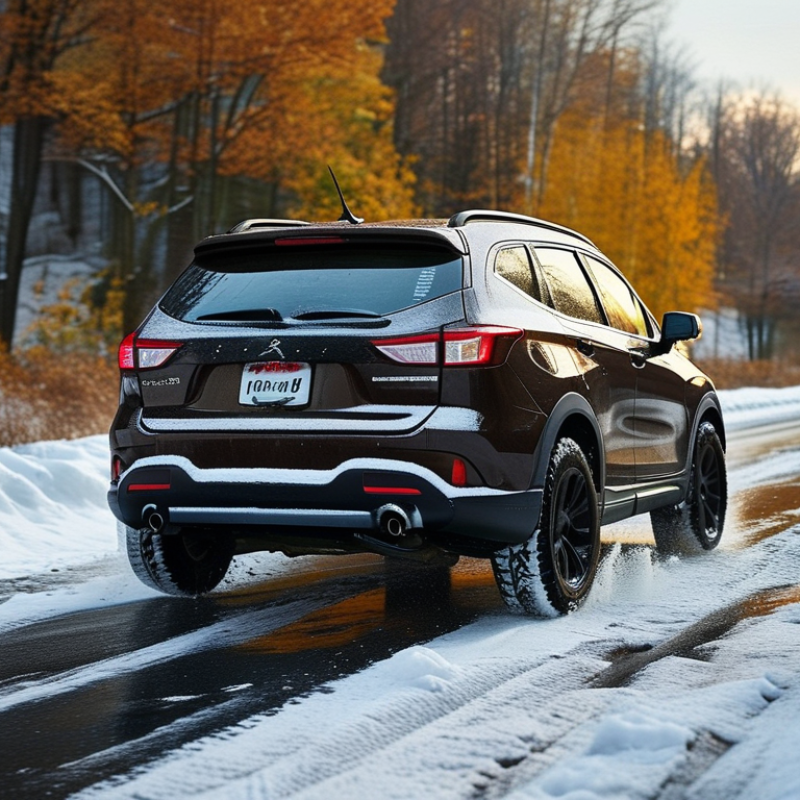
Top 10 Best All Weather Tires for Every Season?

What All-Weather Tires Are and How They Differ From All-Season Tires

Top 10 Best All Weather Tires for Every Season?

All-weather tires are designed for drivers facing changing conditions throughout the year. They combine a flexible rubber compound with deeper grooves and stronger winter traction. Many carry the three-peak mountain snowflake symbol, showing they passed a recognized severe-snow test. That matters on cold roads, packed snow, and slushy intersections.

All-season tires usually prioritize quiet driving, long tread life, and mild-weather comfort. Their tread can handle rain and light snow, but performance often declines as temperatures drop. All-weather tires remain more flexible in colder conditions. They also provide sharper grip during sudden temperature changes. However, they are still a compromise. A dedicated winter tire can brake better on deep snow and polished ice, while a summer tire may feel more precise on hot, dry pavement. My own judgment is imperfect here; road surface, vehicle weight, and driving habits can change the result.

Tips: Check the sidewall for the severe-snow symbol, then compare the tire’s wet-braking and mileage ratings. Keep pressures near the vehicle maker’s recommendation, especially after cold nights. Rotate the tires regularly and inspect tread depth before winter arrives. A tire that feels confident in rain may still struggle on black ice. Do not ignore that small warning.


Key Performance Factors for Choosing an All-Weather Tire

Choosing among the top all-weather tires requires more than reading a ranking. The key question is how each tire behaves across temperature, rain, and light snow. Look for the Three-Peak Mountain Snowflake symbol, which indicates tested winter traction. However, certification does not guarantee equal braking performance. Independent tests from Consumer Reports and government winter-tire evaluations compare wet braking, hydroplaning resistance, snow traction, and ride stability.

Rubber flexibility matters as temperatures fall. An all-weather tire should remain pliable near freezing, while its tread channels water efficiently during heavy rain. Tread depth also deserves attention. Deeper grooves may improve snow evacuation, but they can create more road noise and slower steering response.

It is a trade-off. Wet stopping distance often matters more than a quiet cabin. I still question reviews that praise mileage without publishing braking measurements.

Fitment and maintenance influence real performance. The U.S. Tire Manufacturers Association’s Tire Care and Safety Guide notes that pressure can change about 1 psi for every 10°F temperature shift. Check pressure monthly, especially after a cold snap, and use the vehicle placard rather than the tire sidewall maximum. NHTSA’s Traffic Safety Facts reports hundreds of annual fatalities involving tire-related crashes, reinforcing the value of regular inspections. Check for uneven shoulder wear, cuts, vibration, and aging rubber. A highly rated tire cannot compensate for poor alignment or incorrect pressure. That part is easy to overlook.

Top 10 All-Weather Tires Compared by Safety, Comfort, and Durability

Top 10 Best All Weather Tires for Every Season?

The ten strongest all-weather tires should be compared through safety, comfort, and durability, not price alone. Independent testing from Consumer Reports evaluates wet braking, hydroplaning resistance, handling, noise, and rolling resistance. These measures help separate confident performers from attractive but weaker choices. Safety deserves the highest weight.

All-weather tires carrying the three-peak mountain snowflake symbol meet a standardized severe-snow requirement. The Rubber Manufacturers Association notes that this certification supports winter traction, but it does not guarantee equal performance on ice. In real driving, the best options should stop steadily on wet roads, remain controlled through slush, and avoid excessive steering delay. Short braking matters.

Comfort comes from casing design, tread pattern, and road-surface behavior. Tire Rack’s independent testing repeatedly shows that quieter tires can sacrifice some steering response, while aggressive winter-oriented tread can increase cabin noise. That trade-off is easy to miss. Durability also depends on alignment, inflation, vehicle load, and rotation habits. The U.S. Tire Manufacturers Association recommends checking pressure monthly and before long trips.

My practical top-ten shortlist would favor balanced models with strong wet braking, stable snow handling, low road noise, and even wear. However, no ranking fits every driver. A commuter in a mild climate may prefer comfort, while a mountain driver needs deeper snow capability. I would also inspect tread depth regularly; NHTSA identifies 2/32 inch as the replacement threshold, though earlier replacement can improve wet-weather confidence.

Best All-Weather Tires for Snow, Rain, Highways, and Daily Driving

Choosing all-weather tires for snow, rain, highways, and daily driving requires more than reading a tread pattern. Look for the three-peak mountain snowflake symbol. It indicates tested performance in severe snow conditions. All-weather tires usually use a softer compound than standard all-season tires. This helps maintain grip when temperatures fall below 7°C. On wet roads, wide grooves and many small sipes can move water away from the contact patch. That matters during sudden storms and slippery city intersections.

Snow performance feels different from dry-road performance. A dependable tire should start smoothly, brake without wandering, and hold a predictable line on packed snow. I also pay attention to steering response. Excessive softness can make a vehicle feel vague on highways. At 110 km/h, uneven tread blocks may create a low, repeating hum. It is not dangerous by itself, but it can become tiring during long trips. Check the pressure when the tires are cold. Even a small pressure loss can reduce stability and increase rolling resistance.

No single tire dominates every surface. A tire that grips snow well may feel less sharp on warm, dry pavement. Heavy rain can still overwhelm any tread if speed is too high. Independent testing is valuable, but results may not match your vehicle, road surface, or driving habits. I would compare wet braking, snow traction, cabin noise, warranty details, and expected mileage before buying. My own impressions can also be imperfect, especially after a short test in mild weather. Seasonal temperature changes deserve a second look.

How to Select, Install, and Maintain the Right All-Weather Tires

Choosing all-weather tires begins with climate, not advertising. All-weather tires carry the Three-Peak Mountain Snowflake symbol, showing they passed a severe-snow traction test. They suit drivers facing rain, cold mornings, and occasional snow. They cannot match dedicated winter tires on deep ice. NHTSA reported 738 fatalities in tire-related crashes during 2017, so selection deserves careful attention. Check the vehicle placard for size, load index, and speed rating. Never guess.

Installation needs precision. A qualified technician should inspect wheels, match tire sizes, balance each assembly, and tighten lug nuts to the vehicle maker’s torque specification. Incorrect torque can damage studs or create vibration. After installation, confirm the tire’s manufacturing date. NHTSA recommends inspection after five years and replacement by ten years, even when tread remains. I have learned that “looks new” is not a reliable safety test.

Tips: Check pressure monthly when tires are cold. USTMA notes pressure can change about 1 psi for every 10°F temperature shift. Rotate tires according to the service schedule, often every 5,000 to 8,000 miles. Measure tread with a gauge, not your eyes. The U.S. legal minimum is 2/32 inch, but wet braking can weaken earlier. Inspect for cracks, bulges, uneven wear, and trapped stones. Recheck pressure after heavy luggage or long highway trips. Some maintenance advice sounds repetitive, but neglect usually begins with one skipped check.

Top 10 Best All Weather Tires for Every Season? - How to Select, Install, and Maintain the Right All-Weather Tires

Rank Recommended Tire Profile Best Use Severe-Snow Rating Typical Tread Depth Typical Speed Rating Comfort Level Wet-Grip Priority Recommended Rotation Installation and Maintenance Notes
1 Balanced Touring All-Weather Drivers who want one tire for commuting, rain, light snow, and highway travel Prefer 3PMSF 10/32–12/32 in H–V High High Every 5,000–8,000 mi Match the vehicle placard size and load index. Inflate when cold and recheck monthly.
2 Snow-Focused All-Weather Regions with frequent snow, freezing temperatures, and occasional clear roads 3PMSF required 11/32–13/32 in T–H Medium–High High Every 5,000–6,000 mi Look for open shoulder blocks and many full-depth sipes. Inspect for packed snow and uneven wear after winter driving.
3 Wet-Weather Commuter Rainy climates, urban traffic, and frequent wet braking 3PMSF recommended 10/32–12/32 in H–V High Very High Every 5,000–8,000 mi Prioritize circumferential grooves and lateral channels for water evacuation. Replace when tread reaches 2/32 in.
4 Crossover and SUV All-Weather Compact and midsize crossovers carrying passengers or light cargo 3PMSF recommended 11/32–13/32 in H–V Medium–High High Every 5,000–7,500 mi Confirm the tire has the correct load index. Check alignment if the steering wheel is off-center or wear is irregular.
5 Long-Mileage Highway All-Weather High-mileage drivers and regular highway trips 3PMSF preferred 10/32–12/32 in H–V Very High Medium–High Every 6,000–8,000 mi Maintain even inflation and alignment. Do not use treadwear projections as a guarantee of service life.
6 Performance-Oriented All-Weather Drivers seeking sharper steering and stronger dry-road cornering 3PMSF varies 9/32–11/32 in V–W Medium High Every 4,000–6,000 mi Choose only when the speed and load ratings meet or exceed the vehicle requirements. Expect potentially faster tread wear.
7 Light-Truck All-Weather Pickup trucks and vans used for commuting and moderate hauling 3PMSF preferred 12/32–16/32 in S–T Medium Medium–High Every 5,000–7,500 mi Use the correct LT or high-load specification where required. Adjust pressure only according to the vehicle or tire-maker guidance.
8 Fuel-Efficient Low-Rolling-Resistance Hybrid and compact-car drivers prioritizing efficiency 3PMSF varies 9/32–11/32 in T–H High Medium–High Every 5,000–8,000 mi Keep pressures at the placard value. Underinflation increases rolling resistance, heat buildup, and shoulder wear.
9 Quiet-Ride Family All-Weather Families prioritizing low road noise, comfort, and predictable handling 3PMSF recommended 10/32–12/32 in T–V Very High High Every 5,000–8,000 mi Have all four tires balanced during installation. Recheck balance if vibration develops at a specific speed.
10 Budget-Conscious General All-Weather Moderate annual mileage and mixed urban driving Verify 3PMSF 9/32–12/32 in T–H Medium Medium–High Every 5,000–7,500 mi Compare the full load index, speed rating, traction grade, and manufacturing date rather than price alone.
Selection and Maintenance Checklist:
  • Confirm the exact tire size, load index, speed rating, and recommended pressure listed on the vehicle placard.
  • For regular snow conditions, select tires marked with the Three-Peak Mountain Snowflake (3PMSF) symbol; the M+S marking alone is not a severe-snow certification.
  • Install tires in axle pairs at minimum, and use four matching tires on all-wheel-drive vehicles unless the vehicle manufacturer specifies otherwise.
  • Balance the tires and check wheel alignment after installation, especially when replacing worn or unevenly used tires.
  • Inspect pressure monthly, measure tread depth regularly, and replace tires at the legal wear limit or sooner if cracking, bulges, vibration, or irregular wear appears.
Note: Tread-depth, speed-rating, and performance figures shown are typical ranges for the listed tire profiles. Always follow the vehicle manufacturer’s specifications and the individual tire’s sidewall and service documentation.