How to Choose the Best All Terrain Truck Tires for Your Vehicle?
Choosing the right all terrain truck tires is crucial for optimal performance. These tires are designed to handle various conditions, from mud to snow to rocky surfaces. The right choice will enhance traction and stability, improving your driving experience.
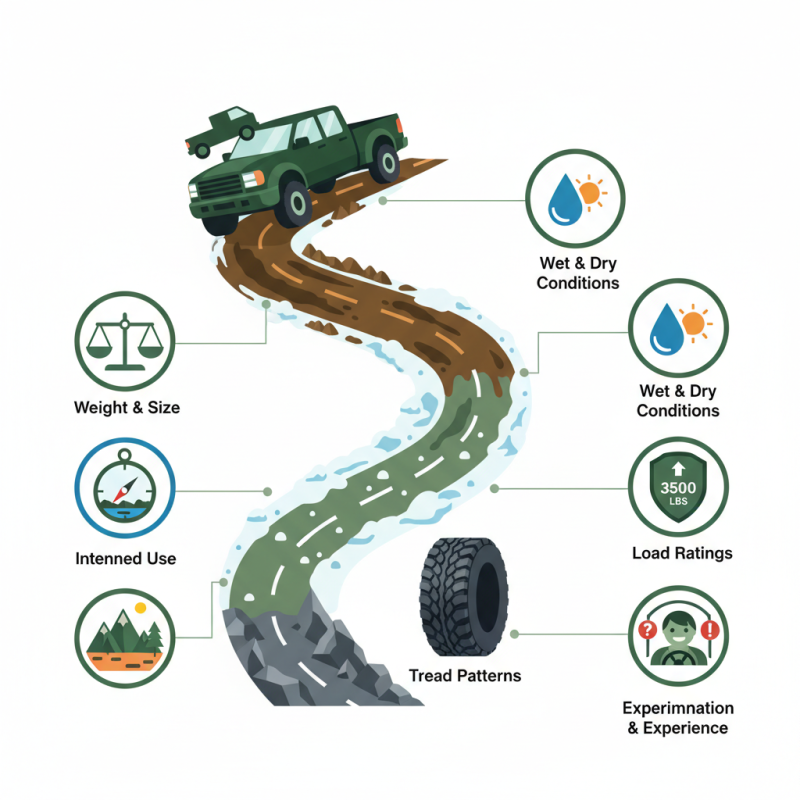
When selecting all terrain truck tires, consider your vehicle’s specific needs. Weight, size, and intended use play significant roles. Some tires excel in wet conditions, while others perform better in dry terrains. Evaluating these factors can be overwhelming, yet essential for safety and comfort.
Many drivers overlook the importance of tread patterns or tire load ratings. Each detail can significantly impact performance. Understanding these characteristics can improve your off-road adventures. Experimenting with different options may lead to surprising insights that enhance your journey.
Understanding All Terrain Truck Tires: Key Features and Benefits
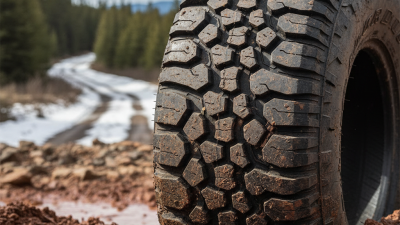
All terrain truck tires are designed for versatile performance. They provide a blend of characteristics suitable for both on-road and off-road conditions. Their tread patterns are crucial. Deep grooves and aggressive designs enhance traction on various surfaces, such as mud, gravel, and sand. This versatility makes them popular among truck owners.
When choosing these tires, consider their ply rating. A higher ply rating indicates greater strength and durability. This is essential for carrying heavy loads and enduring rough terrain. Additionally, look for tires with reinforced sidewalls. Reinforced tires resist punctures and abrasions, extending their lifespan significantly.
Tips: Regularly inspect your tires for wear. Monitor tire pressure consistently. Under-inflated tires can reduce performance and increase fuel consumption. Keep an eye on tread depth. If it falls below a certain level, it may be time for a replacement. All these factors enhance your overall driving experience and promote safety. Balancing these features requires thoughtful consideration of your unique driving needs. Not all tires may suit every environment, and you may need to experiment to find the perfect match.
Assessing Your Vehicle's Requirements for All Terrain Tires
When selecting all-terrain truck tires, understanding your vehicle's specific needs is crucial. Every truck has unique requirements based on its weight, size, and purpose. Knowing these factors helps narrow down your choices. For example, off-road enthusiasts may need tires that provide extra grip on uneven surfaces. Meanwhile, trucks used for daily commuting might prioritize longevity and comfort.
Consider the type of terrain you typically encounter. If you frequently drive on mud or loose gravel, choose tires designed for optimal traction in such conditions. Alternatively, if your routes consist mainly of paved roads, focus on tires that offer a quieter ride. Remember, an unclear need can lead to poor tire choices. Reflecting on your driving habits should help clarify your selection.
Tips: Always consult vehicle manuals or speak with experts before purchasing tires. Take note of load ratings and speed capacities. These aspects are vital for safe driving. Trying a few driving tests with different tires can give insights into your needs. Don't shy away from making adjustments as needed. Your requirements may evolve over time.
Evaluating Tire Types: Bias-Ply vs. Radial for All Terrain Use
When selecting all-terrain truck tires, understanding the differences between bias-ply and radial options is crucial. Bias-ply tires have layers that run diagonally. This design offers a rugged feel and can handle rough surfaces well. They often come at a lower price point, appealing for budget-conscious buyers. However, they may not provide the same stability and fuel efficiency as radials.
Radial tires, on the other hand, feature layers that run across the tire. They excel in flexibility and heat dissipation. This means they can deliver better handling and a smoother ride. While they tend to be pricier, the long-term performance can justify the investment. Consider your driving conditions. If you frequently navigate sandy trails or rocky paths, bias-ply might serve you well. Yet, for daily driving with some off-road adventures, radial tires could be the better choice.
Some consumers may overlook their specific needs when choosing. A tire that works well in one area may falter in another. Always assess where you’ll drive most. Reflect on the tread patterns and sidewall strength too. These factors will impact traction and durability. The right decision relies on balancing your budget, driving habits, and terrain challenges.
All Terrain Truck Tires Comparison: Bias-Ply vs. Radial
Selecting the Right Tread Pattern for Optimal Performance
When selecting all terrain truck tires, the tread pattern is crucial for optimal performance. The right design enhances traction on various surfaces. Choosing the correct pattern can make a significant difference in handling and stability. Many options exist, from aggressive treads to more versatile designs.
Consider the environment where you typically drive. If mud and loose soil are common, look for deeper grooves. These patterns often provide better grip. On the other hand, a more balanced tread can work well for mixed conditions. Each pattern serves a purpose related to its construction.
Tips: Always consult tire professionals for specific recommendations. They can provide insights based on experience and local climates. Additionally, research online reviews for user feedback on different tread designs. Its practical information can inform your choice effectively. Don't rush the decision. Take time to evaluate your needs and potential driving challenges.
Considering Weather Conditions and Environment for Tire Selection
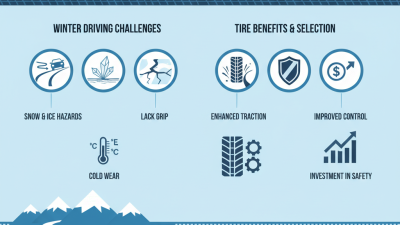
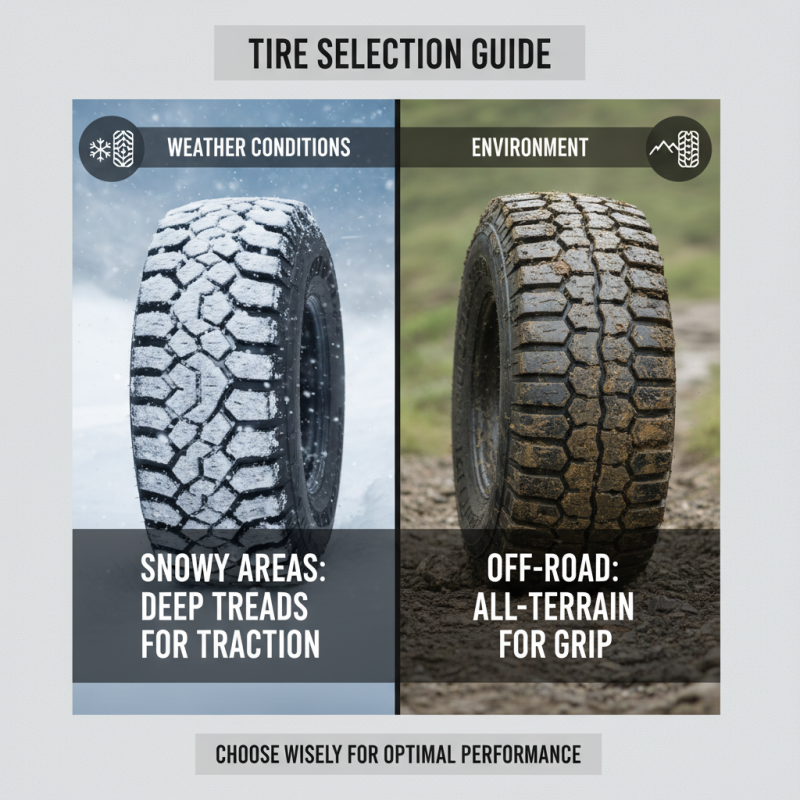
Choosing all-terrain truck tires requires careful consideration. Weather conditions play a crucial role in this selection. For example, if you often drive in snowy areas, look for tires with deep treads. These are designed to provide better traction in slippery conditions. A tread pattern that channels snow can enhance your vehicle's grip.
On the other hand, if you primarily navigate through muddy or wet environments, a different approach is essential. Tires with wider grooves can help evacuate mud and prevent clogging. Ensuring your tires can handle these conditions will improve performance. Remember, not all tires are created equal, and one size does not fit all.
It's also important to think about temperature changes. Hot climates can wear down tires faster, while cold temperatures can harden the rubber. Your tire's rubber composition should accommodate these variations. If your tires lack proper adaptability, performance declines significantly. Balancing these factors is a challenge but crucial for safety and longevity.