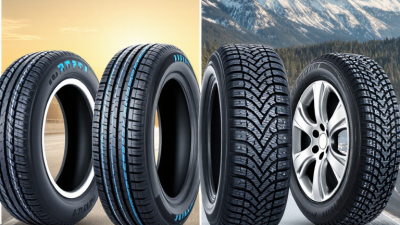
Top 10 Tire Types to Shop for Online?

Buying tires online can feel like comparing four black circles with unfamiliar labels. The details matter. Tread pattern, climate rating, load capacity, and vehicle fit all affect how a tire performs. Before browsing, check the size printed on your current tire or listed in your owner’s manual. Then compare options that match your vehicle and typical driving conditions.

Consumer Reports tire expert Gene Petersen’s consumer-focused guidance can be paraphrased this way: “Choose tires for your vehicle, climate, and driving habits—not price alone.” That distinction helps make a tire search more useful. A quiet touring tire may suit a daily commute, while winter tires are designed for cold conditions. All-terrain and mud-terrain options serve different off-road needs. Neither is automatically the better choice. It depends on where you drive.

This guide explores 10 tire types to consider when you shop tires online, from all-season and performance tires to run-flat and trailer tires. It also highlights details worth checking on product pages, including size, ratings, warranty terms, and seller fitment tools. Look closely. A familiar brand name cannot replace a correct match. Online listings can also leave questions unanswered, so verify important specifications with the manufacturer or a qualified tire professional. One caveat: vehicle use and local weather vary, and no short list can choose for every driver. That deserves a second look.
Top 10 Tire Types to Shop for Online?

NHTSA UTQG Treadwear Grades: Comparative Ratings, Not Mileage Guarantees

The UTQG treadwear grade on a tire’s sidewall is a comparison tool, not a mileage promise. It comes from controlled testing against a reference tire, with the reference assigned a grade of 100. A higher number suggests greater wear resistance under those test conditions. It does not mean a tire will last a fixed number of miles, or twice as long as one with half the rating. That distinction is easy to miss.

Actual tread life depends on inflation, alignment, driving habits, vehicle load, and road conditions. A tire used on rough pavement or driven hard may wear faster than its grade suggests. Regularly check pressure and look for uneven wear across the tread. The rating can help narrow choices, but it cannot predict your personal results.

Not a guarantee.

It is also worth checking whether a tire carries a UTQG rating, since some categories, including many winter tires, are exempt. A high grade alone is not a complete buying decision. Real roads differ.
All-Season, Touring, and Grand-Touring Tires: Comfort and Everyday Use

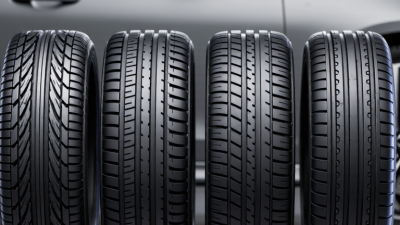
All-season tires suit drivers who want one set for changing weather and routine commuting. Their tread patterns balance wet-road grip, quietness, and moderate winter capability. They are not a substitute for dedicated winter tires in frequent deep snow or ice. Touring tires typically emphasize a composed ride and steady handling. Grand-touring models often add highway stability and lower cabin noise. The difference can be subtle. Road surface and vehicle setup matter, too.

FuelEconomy.gov says correctly inflated tires can improve fuel economy by up to 3.3 percent. It estimates that a 1-psi pressure drop across all four tires may reduce mileage by about 0.2 percent. These figures concern inflation, not tire categories, but they show how daily performance depends on upkeep. A slightly soft tire may feel cushy at first. It can also wear unevenly. Check the vehicle placard for the recommended pressure, and compare independent noise and wet-braking test results before buying.

Tips: Match the tire’s size and load rating to your vehicle. For quieter commuting, look for touring or grand-touring models with measured noise results. Recheck pressure monthly, especially before a long drive.

Performance and Summer Tires: Speed Ratings, Heat, and Wet-Grip Trade-Offs

Performance tires can sharpen steering response and cornering, but their speed rating is only one part of the fit. Match the tire size, load index, and rating to your vehicle’s manual or door-jamb label. A higher speed rating does not make public-road driving safer at higher speeds. It reflects testing under specified conditions.

Summer tires use compounds and tread designs suited to warm pavement. On a hot afternoon, they can offer confident dry grip and precise handling. Heat matters. But cold weather can reduce their flexibility, so check the maker’s temperature guidance before buying. Wet grip also varies: broad grooves help move water away, while a performance-focused tread may trade some water evacuation for a larger contact area. Look for independent wet-braking results when available, not just sporty photos or product claims.

Online listings can hide useful details in small specification tables. Check the exact tire size, speed symbol, load index, and wet-grip data before comparing prices. Check the fine print. I’ve found that two tires with similar names can have different specifications, and it is easy to overlook that difference. Consider your usual roads, seasonal temperatures, and comfort needs; a sharp turn-in feel may come with more road noise or a firmer ride.

How to read this: Speed ratings indicate a tire’s tested maximum speed capability under specified conditions—not a recommended driving speed. Summer and performance tires are designed for warm-weather handling, but a speed rating alone does not measure wet grip. Wet performance varies by tire design, and summer compounds can lose flexibility in cold temperatures.

Winter and All-Weather Tires: 3PMSF Requires at Least 110% Snow Traction

A three-peak mountain snowflake symbol is more than a winter-themed graphic. Under the ASTM F1805 snow-traction test, a qualifying tire must reach at least 110% of the traction performance of an ASTM E1136 standard reference tire. The U.S. Tire Manufacturers Association explains this threshold in its tire-safety guidance. It indicates tested snow capability, not a guaranteed stopping distance or a promise of equal performance on ice.

That distinction matters when comparing winter and all-weather tires online. Check the sidewall symbol, then read the tire’s intended-use details and test conditions. A winter tire’s flexible cold-weather rubber and dense tread sipes can help it grip on packed snow. All-weather tires may carry the same symbol, but their wet-road behavior and cold-weather balance can differ. Look closely. The number does not tell the whole story. ASTM’s test focuses on snow traction, not every winter hazard, and I would not treat one threshold as a complete ranking. Tire condition, vehicle weight, pressure, and driving speed still affect real-world grip. A small detail, perhaps, but worth checking before checkout.

Top 10 Tire Types to Shop for Online? — Winter and All-Weather Tires: 3PMSF Requires at Least 110% Snow Traction

Tire Type Best Suited For 3PMSF Availability What to Check When Shopping Online
Studless Winter Cold temperatures, snow, and icy roads; designed for winter grip without metal studs. Common on qualifying models, but certification is model-specific. Confirm the 3PMSF symbol, tire size, and winter suitability for local conditions.
Studded Winter Severe winter conditions where extra ice traction is useful and studs are permitted. Some models carry the symbol; studded construction alone does not guarantee it. Check local restrictions on stud use, permitted dates, and whether studs are included or optional.
Performance Winter Cold-weather driving for vehicles where responsive handling is a priority. Some models qualify; verify the individual tire’s sidewall marking or specifications. Compare the required speed rating and winter rating with the vehicle manual.
All-Weather Year-round use in regions with regular snow, for drivers who prefer not to change tires seasonally. Many models are 3PMSF-rated, but not every all-weather tire is certified. Look for the 3PMSF symbol and check the maker’s guidance on winter use and wear.
Touring All-Season Everyday driving, comfort, and general use in mild conditions. Usually not 3PMSF-rated; a few specific models may qualify. Do not treat an M+S marking as equivalent to 3PMSF certification.
Grand Touring All-Season Passenger cars and crossovers needing a balance of comfort, handling, and year-round use. Varies by model; confirm the symbol rather than relying on the category name. Check vehicle fitment, load index, speed rating, and the product’s winter rating.
Highway All-Season Light trucks and SUVs used mainly on paved roads and highways. Some models qualify, but many are not intended for severe-snow service. Match the tire’s load range and load index to the vehicle’s requirements.
All-Terrain Drivers who split time between paved roads and unpaved surfaces. Many, but not all, models carry the 3PMSF symbol. Check for the symbol and consider road noise, tread wear, and on-road comfort.
Mud-Terrain Frequent off-road use in mud and loose terrain. Some models are 3PMSF-rated; aggressive tread appearance is not proof of certification. Review winter-road suitability and on-road handling as well as off-road performance.
Summer / Performance Warm-weather driving and handling on dry or wet roads above the tire’s specified temperature range. Generally not designed or certified for severe-snow service. Avoid using summer tires in snow or near-freezing conditions; check the manufacturer’s temperature guidance.

3PMSF note: The Three-Peak Mountain Snowflake symbol indicates that a tire met a defined snow-traction threshold: at least 110% of the traction of a standard reference tire in the specified test. It is not a guarantee of braking or cornering performance in every winter condition. Always confirm the marking for the exact tire model and size.

All-Terrain, Mud-Terrain, and Run-Flat Tires: Load Index and Design Trade-Offs

Shopping for tires online starts with the vehicle’s door-jamb placard, not a tread photo. Match the listed size, load index, and speed rating, then check the owner’s manual for any additional requirements. A load index represents a tire’s rated carrying capacity under specified conditions; choosing a lower one can compromise safe operation. Higher numbers are not automatically better, either. They may come with a stiffer ride or different fitment needs. Small details matter.

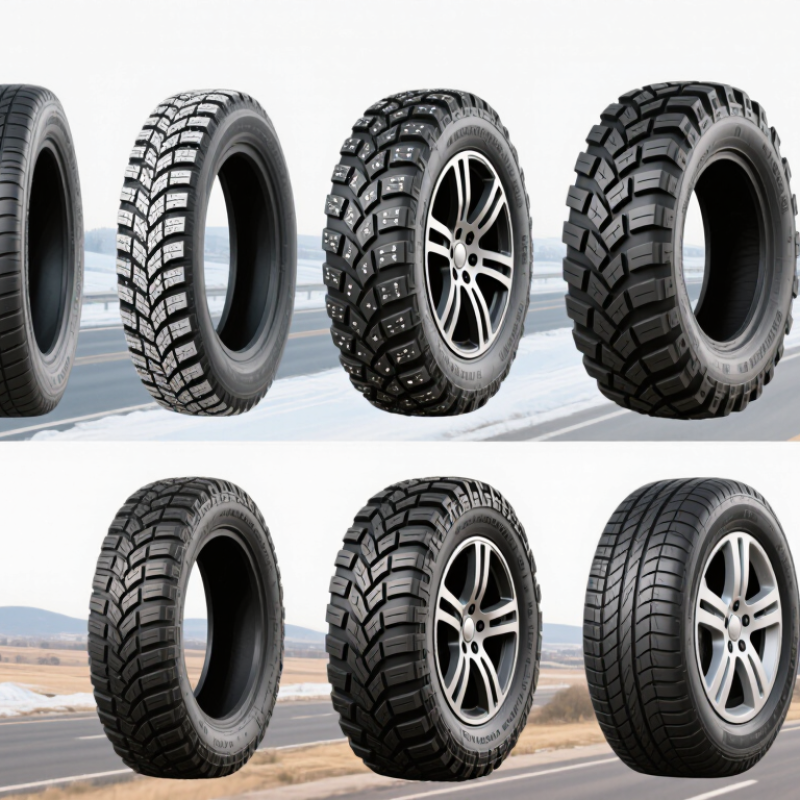
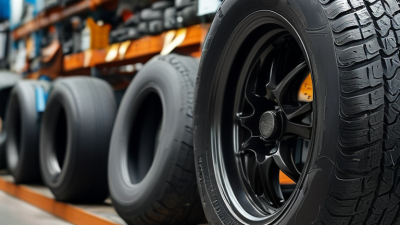
All-terrain tires balance paved-road manners with grip on gravel and occasional dirt. Their broader tread blocks can add road noise and may reduce wet-road comfort compared with touring designs. Mud-terrain tires use deeper, more open patterns to clear soft soil, but can feel louder and less precise on pavement. Run-flat tires can support limited travel after pressure loss, within the tire maker’s stated speed and distance limits. Their reinforced sidewalls often ride firmly, and compatible vehicles may need a tire-pressure monitoring system. No free lunch.

When comparing listings, verify the full size and load index, not just the vehicle model shown in a fitment tool. Check whether the tire is approved for your wheel and whether it meets the original specification. Online descriptions can omit useful details, so consult the vehicle manual or a qualified tire professional when ratings are unclear. I would not assume a tougher-looking tread is safer for every commute. A rainy highway is different from a muddy trail.