Why Choose Winter Tires for Global Buyers?

For global buyers, choosing winter tires is not simply a seasonal purchase. It is a safety decision shaped by temperature, road surfaces, vehicle weight, and local driving habits. When air temperatures fall below 7°C, ordinary all-season compounds may become harder and less responsive. Tires winter products use specialized rubber compounds and tread patterns to maintain grip on cold roads.

A reliable buying decision should begin with real conditions. A driver in northern Canada may face packed snow, ice, and temperatures below -20°C. A buyer in northern Europe may encounter wet asphalt, slush, and frequent freezing. These roads demand different tread designs and performance priorities. Independent testing, recognized certification marks, load ratings, and correct sizing provide stronger evidence than attractive advertising alone. Experienced installers also check wheel fitment, tire pressure, storage needs, and the vehicle manufacturer’s recommendations.

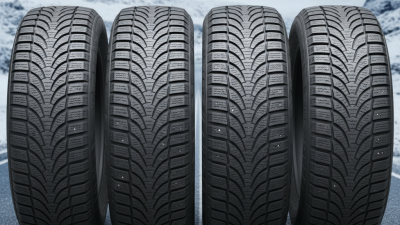
Small details matter. A deep groove can move slush away from the contact patch. Thousands of biting edges can improve traction on compact snow. Still, no tire removes every risk. Braking distances remain longer on ice, even with premium products. I have seen buyers focus on brand reputation while overlooking production dates or unsuitable dimensions. That mistake deserves more attention. Global purchasers should compare tested performance, climate suitability, supplier reliability, and after-sales support before ordering. The right winter tire is not necessarily the most expensive option. It is the one that matches the road, the vehicle, and the driver’s actual winter experience.
Why Choose Winter Tires for Global Buyers?

What Are Winter Tires and How Do They Differ from All-Season Tires?

Why Choose Winter Tires for Global Buyers?

Winter tires are engineered for cold roads, not merely marked with a snow symbol. Their rubber compounds remain flexible below 7°C, while many all-season compounds gradually become harder. The U.S. Tire Manufacturers Association identifies 45°F (7°C) as a useful reference point for this change. Winter tires also use deeper grooves, dense biting edges, and flexible tread blocks. These features help the tire grip packed snow, slush, and ice. All-season tires offer broader flexibility across moderate conditions, but their tread design is a compromise. They may feel stable on dry roads, yet lose traction when temperatures fall sharply.

The difference becomes visible during braking. Transport Canada reports that winter tires can reduce stopping distances on icy roads by up to 30% compared with all-season tires, depending on speed, surface, and tire condition. Consumer Reports’ 2023 winter-tire testing likewise found dedicated winter tires stronger in snow braking and cornering, while all-season tires often performed better on dry pavement. That trade-off matters for buyers in Canada, northern Europe, mountain regions, and other cold markets.

A winter tire is not magic. Worn tread, incorrect pressure, and overloaded vehicles still create risk. I have also found the 7°C rule too simple in practice; shade, wind, road salt, and wet pavement can change grip quickly. Buyers should compare local temperatures, snowfall, storage space, and driving habits. In warm climates, winter tires may wear faster and feel less precise. The right choice depends on the road outside the window, not only the label.
How Winter Tires Improve Grip in Cold, Snowy, and Icy Conditions

Why Choose Winter Tires for Global Buyers?

How Winter Tires Improve Grip in Cold, Snowy, and Icy Conditions

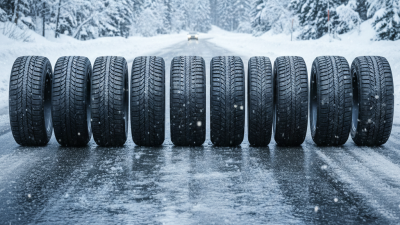
Winter tires are designed for temperatures that make ordinary rubber feel stiff. Their specialized compound stays more flexible below about 7°C, helping the tread contact cold pavement. This matters on early-morning roads, where black ice can hide near bridges and shaded bends. Deeper grooves move slush away, while many small sipes create extra biting edges in packed snow. The difference can feel immediate when turning or braking.

On icy surfaces, winter tires cannot create unlimited grip. Physics still wins. However, their tread design can improve traction during acceleration and reduce wheel spin. They also help shorten braking distances compared with unsuitable all-season tires in severe cold. Results vary with tire pressure, vehicle weight, road treatment, and driving speed. A useful inspection should check tread depth, uneven wear, cracks, and the production date. One overlooked detail can weaken an otherwise careful setup.

Tips: Install four matching winter tires, not only two. Check pressure monthly, because cold air lowers it. Remove snow from wheel wells before driving. Leave more following distance, especially near intersections and frozen corners. If the road looks merely wet, stay cautious; thin ice may be present. Test grip gently in a safe area, but never treat that test as proof of complete safety.

Which Vehicles and Driving Environments Benefit Most from Winter Tires?

Winter tires matter most when temperatures stay below 7°C, even without deep snow. Their rubber remains more flexible, helping tires grip cold asphalt, packed snow, and icy intersections. According to AAA’s 2019 winter-tire testing, dedicated winter tires delivered up to 35% more traction and reduced snow stopping distances by up to 42% compared with all-season tires. That difference can mean stopping before a crossing, not inside it.

Drivers in northern cities, mountain regions, and areas with frequent freeze-thaw cycles benefit most. Compact cars, sedans, SUVs, vans, and electric vehicles can all require them. Four-wheel drive improves acceleration, but it does not shorten braking distance. Heavier electric vehicles may also place greater demands on tire grip, especially on downhill roads. Fleet operators should consider delivery vans and emergency vehicles that travel before roads are fully cleared. Short trips count, too.

Check the vehicle’s load rating, approved size, and local regulations before buying. A complete set of four matched tires is safer than mixing seasonal types. Tire pressure should be checked during cold mornings, when pressure drops noticeably. Real-world roads remain unpredictable. Laboratory figures cannot perfectly represent worn pavement, slush, or an impatient driver. That limitation deserves honest attention.

How Global Buyers Can Choose the Right Winter Tire Specifications

Why Choose Winter Tires for Global Buyers?

Global buyers should select winter tires by climate, road surface, and vehicle load, not by appearance. The 3PMSF symbol indicates a standardized severe-snow performance test under UNECE Regulation No. 117. M+S marking alone may not prove comparable snow traction. Check the tire’s width, diameter, load index, and speed rating against the vehicle certificate. A heavier electric vehicle may need a higher load index.

Temperature matters. Many technical guides use 7°C as a practical point where winter compounds remain more flexible than standard compounds. However, this threshold is not a universal law. Wet coastal roads, dry mountain routes, and packed snow require different tread priorities. Buyers should request independent test results for braking, handling, and wet grip. The European Tyre and Rim Technical Organisation publishes fitment standards, while independent winter-tire tests often reveal large differences between similar-looking patterns.

Local evidence also supports careful specification. A Quebec Ministry of Transport evaluation reported about 5% fewer collisions and approximately 3% fewer deaths or serious injuries after mandatory winter-tire use. Results vary with enforcement, driving habits, and weather. Studded tires can improve ice traction, but their use is restricted in some regions. Confirm local regulations before ordering. Measure tread depth after delivery, inspect sidewalls in storage, and verify production dates. Small details are easy to miss. I would not rely on a single laboratory score; real roads are less predictable.

What Maintenance and Seasonal Storage Do Winter Tires Require?

Why Choose Winter Tires for Global Buyers?

What Maintenance and Seasonal Storage Do Winter Tires Require?

Winter tires need consistent care, not occasional attention. Check cold inflation pressure every month and before long trips. The U.S. Department of Energy reports that each 1 psi loss can reduce fuel economy by about 0.2%. Pressure changes quickly during seasonal temperature drops. Do not rely on appearance alone. Inspect tread blocks, sidewalls, valve stems, and embedded stones. I once checked tread depth but missed a slow valve leak. That mistake was avoidable.

Measure tread depth with a reliable gauge. Many safety organizations treat 4 mm as a practical winter replacement point, although local laws differ. Replace tires showing cracks, bulges, uneven wear, or severe hardening. Rotate them according to the vehicle maker’s schedule. A wheel alignment check may also reveal suspension problems. The National Highway Traffic Safety Administration links tire defects and maintenance failures to thousands of crashes each year. Small checks matter.

Store winter tires after cleaning and drying them completely. Keep loose tires upright, and stack mounted assemblies horizontally. Use a cool, dark, dry, and ventilated space. Avoid sunlight, heaters, solvents, fuel, and electric motors that generate ozone. The European Tyre and Rim Technical Organisation recommends protecting tires from heat, light, moisture, and ozone during storage. Label each tire’s position before removal. Recheck pressure before installation. Storage bags help reduce contamination, but trapped moisture can cause problems. That detail is easy to overlook. Global buyers should follow local regulations and the vehicle manual, because climate and road conditions vary widely.

Why Choose Winter Tires for Global Buyers? - What Maintenance and Seasonal Storage Do Winter Tires Require?
Topic Recommended Practice Typical Timing or Measurement Global Buyer Consideration
Cold-Weather Performance Choose winter tires when temperatures regularly fall below approximately 7°C. Their rubber compounds remain more flexible in cold conditions than many all-season or summer tire compounds. Consider installation before the average temperature consistently drops below 7°C. Climate, road conditions, and local regulations differ by country, so seasonal changeover dates should be adapted to the destination market.
Snow and Ice Traction Select tires with a tread pattern and certification suitable for snow conditions. In markets using the Alpine symbol, the 3PMSF marking indicates a tire has passed a defined severe-snow performance test. Check the sidewall marking before purchase and confirm the required local certification. Snow-tire symbols, labeling rules, and legal requirements may vary between regions.
Tread Depth Measure tread depth at several points across the tire. Replace winter tires when wear approaches the legal limit or when winter performance is no longer adequate. A commonly used winter-performance replacement guideline is around 4 mm, while legal minimums are often lower and vary by jurisdiction. Always follow the stricter requirement between local law, vehicle guidance, and the tire manufacturer’s instructions.
Air Pressure Check pressure with the tires cold and adjust to the vehicle manufacturer’s recommended pressure. Do not use the maximum pressure printed on the tire sidewall as the normal setting. Check at least monthly and before long journeys; inspect after major temperature changes. Cold weather reduces tire pressure, and pressure units may be shown in kPa, bar, or psi depending on the market.
Pre-Installation Inspection Inspect for cracks, bulges, punctures, uneven wear, embedded objects, damaged valves, and irregular sidewall deformation before mounting. Perform before every seasonal installation and after prolonged storage. Tires exposed to strong sunlight, ozone, humidity, or large temperature changes may require more frequent inspection.
Wheel Alignment Check alignment if the vehicle pulls to one side, the steering wheel is off-center, or tread wear is uneven. Correct alignment helps maintain handling and tire life. Inspect during seasonal changeover or whenever abnormal wear or steering symptoms appear. Poor roads, potholes, and heavy curb impacts can increase alignment and suspension wear in any market.
Tire Rotation Rotate tires according to the vehicle and tire instructions when the design permits. Directional or staggered fitments may restrict rotation patterns. A common service interval is approximately every 8,000–10,000 km, but the vehicle manual takes priority. Use the correct rotation direction and confirm whether front and rear tire sizes are different.
Seasonal Changeover Install winter tires before persistent snow or freezing conditions begin, and remove them when temperatures remain consistently warmer and winter conditions have ended. Timing depends on local climate; avoid using winter tires for extended periods in warm conditions because wear may increase. Some regions require winter equipment during specified calendar periods or under designated road conditions.
Cleaning Before Storage Wash off road salt, mud, and brake dust with water and mild soap. Allow the tires to dry completely before covering or storing them. Clean immediately after removal and before placing the tires in storage. Removing salt is especially important in coastal, snowy, and heavily salted-road environments.
Storage Environment Store tires in a cool, dry, clean, and well-ventilated location away from direct sunlight, rain, heat sources, solvents, fuels, and electric motors that may generate ozone. Maintain suitable conditions throughout the entire off-season. Avoid outdoor storage and unventilated shipping containers unless environmental conditions are properly controlled.
Storage Position Store tires mounted on wheels horizontally in a stack or suspend them from suitable hooks. Store unmounted tires vertically and rotate them periodically. Rotate unmounted tires about once a month; avoid hanging unmounted tires. Correct positioning helps reduce deformation during storage and supports easier installation at the next season.
Protective Covers and Identification Use breathable tire storage bags or covers and label each tire by vehicle position, such as front-left or rear-right. Label and cover immediately after removal, while the installation position is known. Position labels help maintain rotation plans for vehicles used across different countries or service locations.
Age and Date Code Check the four-digit date code on the sidewall, which identifies the production week and year. Replace tires that show aging, damage, or performance loss regardless of remaining tread. Inspect the date code during purchase, installation, and every seasonal changeover. Service-life recommendations differ; many safety organizations advise increased inspection after about six years and avoiding use beyond ten years from manufacture.
Storage Records Record tread depth, pressure, installation date, mileage, repairs, and visible condition before storage. Update the record at every seasonal changeover. Consistent records support quality control for distributors, fleet operators, and cross-border after-sales service.

Note: Maintenance intervals and legal requirements vary by vehicle, tire specification, climate, road conditions, and jurisdiction. The vehicle owner’s manual and applicable local regulations should always take priority.