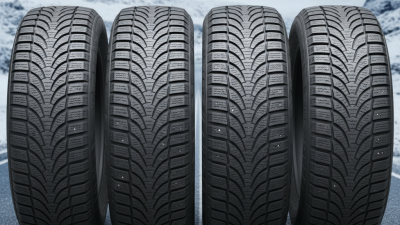
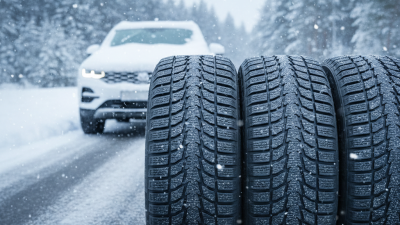
Choosing the Best China Winter Performance Tires for Global Buyers requires more than comparing prices. It requires understanding cold-weather grip, road surfaces, vehicle weight, and driving habits. A tire that performs confidently on Beijing’s packed snow may feel different on wet highways in Germany or icy mountain roads in Canada. Rubber compounds matter because ordinary summer tires harden as temperatures fall. Tread design matters too. Deep grooves can clear slush, while dense sipes help create biting edges on compact snow.
Jonathan Benson, founder of Tyre Reviews, offers a useful perspective: “Winter tyres are not just for snow; they are for cold conditions.” That point deserves attention. Many buyers focus on dramatic snowfall, yet wet roads near freezing can also reduce braking confidence. Strong winter performance tires should deliver stable cornering, predictable steering, and controlled braking below roughly 7°C. Independent testing, certification marks, load ratings, and speed ratings should guide the final decision. Marketing language alone is not enough.
Real-world experience can expose weaknesses quickly. A tire may feel quiet and comfortable on dry pavement, then struggle when slush fills its channels. Another may grip beautifully on ice but wear quickly during warmer weeks. There is no perfect choice. Global buyers must also check local regulations, vehicle compatibility, storage conditions, and replacement availability. Some evaluations may remain incomplete, especially when regional tests use different snow surfaces. That limitation should be acknowledged, not hidden. A careful comparison can still identify reliable options for varied winter roads.
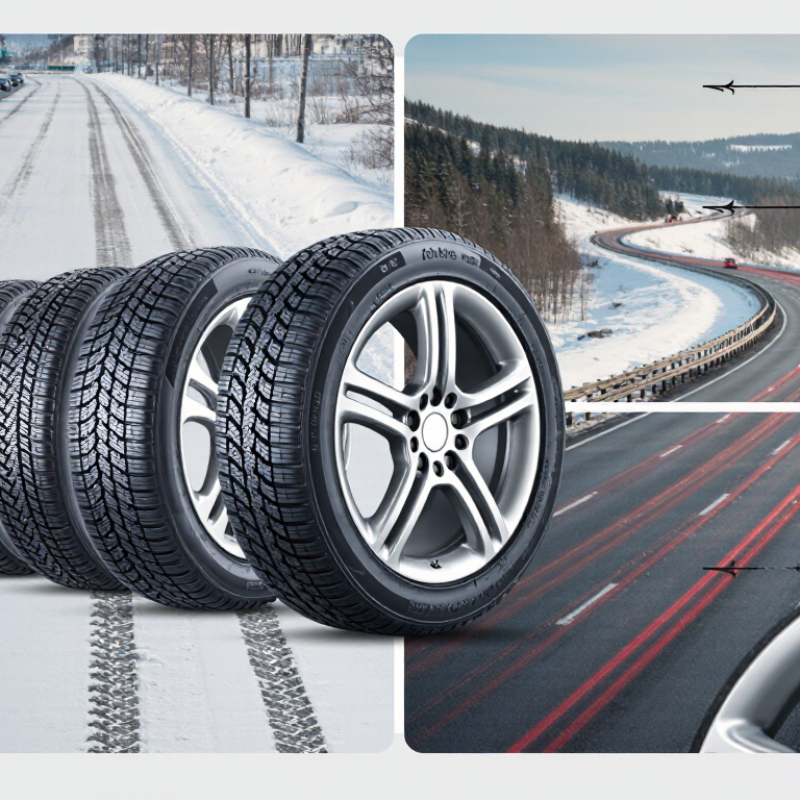
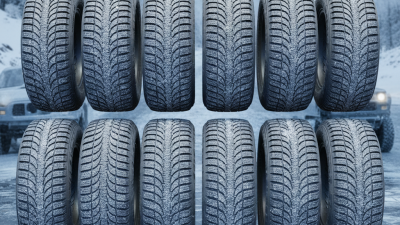
Winter performance tire technology made in China combines cold-flexible rubber compounds, dense siping, and tread channels that clear slush. Silica-rich compounds can help maintain grip as temperatures fall, while fine sipes create extra biting edges on packed snow. The design is a balance: aggressive tread may improve snow traction but can increase road noise on dry pavement.
China’s National Bureau of Statistics reported 987.5 million rubber tires produced in 2023, up 15.3% year over year. This shows manufacturing scale, not winter-tire quality by itself. Buyers should check independent snow-braking and wet-handling test results for the exact tire model. The U.S. Tire Manufacturers Association advises considering winter tires when temperatures are consistently below 45°F (7°C). A lab result is useful, but it cannot capture every road surface or driving style. Details matter.
Tips: Check for the three-peak mountain snowflake marking, then compare tested braking performance, size, and load rating. Inspect tread depth before the season. Don’t judge by appearance alone.
| Performance Area | Common Winter-Tire Technology | Typical Performance Contribution | Buyer Verification and Data to Request |
|---|---|---|---|
| Cold-weather grip | Winter-oriented tread compound, often formulated with silica and polymers selected to maintain flexibility in cold conditions. | Can help the tread conform to cold, uneven surfaces. Results depend on the complete compound, tread design, tire size, and test conditions. | Request comparative braking and traction test results at stated temperatures, on stated surfaces, and against a clearly identified reference tire. |
| Snow traction | Dense sipes, tread-block edges, and snow-catching grooves. | Additional biting edges can improve grip on packed or loose snow; excessive tread-block movement may affect steering response and wear. | Check for the Three-Peak Mountain Snowflake (3PMSF) marking where required. Confirm the applicable test regulation and tire class; the marking relates to defined snow performance, not every winter condition. |
| Slush and water evacuation | Wide circumferential channels, lateral grooves, and—in some designs—a directional tread pattern. | Grooves help move water and slush away from the contact area. Aquaplaning performance also depends on speed, tread depth, inflation, load, and road conditions. | Request wet-handling or aquaplaning test results with the test speed, water depth, tire size, and tread condition stated. |
| Wet-road braking | Compound formulation, tread void arrangement, and sipe design working together. | Can influence wet grip, but no single feature guarantees shorter braking distances in all conditions. | For tires sold in the EU, compare the wet-grip class on the EU tyre label. The label uses classes A to E; compare tires in the same applicable category and size. |
| Rolling efficiency | Carcass construction, compound hysteresis, tread design, and inflation pressure. | Lower rolling resistance can reduce energy losses, while winter grip, durability, and other design targets must also be considered. | For EU-market tires, review the rolling-resistance class on the EU tyre label, which uses classes A to E. Compare like-for-like tire categories and sizes. |
| Road noise | Tread pitch sequencing, groove geometry, and block arrangement. | These design features can influence pattern noise; actual cabin noise also depends on the vehicle, road surface, and speed. | For EU-market tires, check the external rolling-noise class (A to C) and the measured value in dB shown on the EU tyre label. |
| Handling and stability | Shoulder-block support, tread-block stiffness, belt package, and carcass construction. | Can influence steering response and stability on cold, wet, or snow-covered roads. Performance is specific to the complete tire design. | Request instrumented handling results and vehicle-fitment data for the intended tire size, load index, and speed symbol. |
| Durability and fitment | Reinforced carcass or sidewall options, size-specific load ratings, and production quality controls. | Construction and correct fitment affect load capacity, service life, and suitability for the target vehicle. | Verify the size, load index, speed symbol, required market approvals, manufacturing date, and declared warranty terms for each specification. |
| Manufacturing and export readiness | Documented quality management, batch traceability, and market-specific product testing. | Consistent production and complete documentation help buyers assess repeatability and meet destination-market requirements. | Request current certificates and test reports relevant to the destination market, factory and batch traceability records, and confirmation that product markings match the shipment documents. |
| Comparison note: Winter-tire performance varies by tire size, vehicle, temperature, surface, tread depth, inflation pressure, and test method. Treat technology descriptions as general design information, and compare independently documented results under matching conditions. | |||