Why Find Tires Online for Global Buyers?
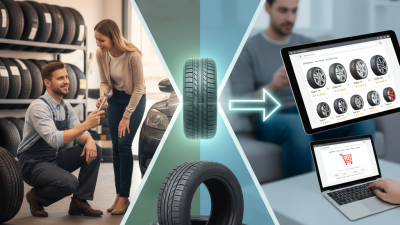
Why find tires online when global buyers can compare suppliers, specifications, and delivery options within minutes? The answer is changing purchasing behavior. UNCTAD’s e-commerce statistics show sustained growth in online commercial activity across major economies. This shift also affects the tire industry. Smithers’ global tire market outlook identifies replacement demand, regional supply chains, and digital procurement as important market forces.
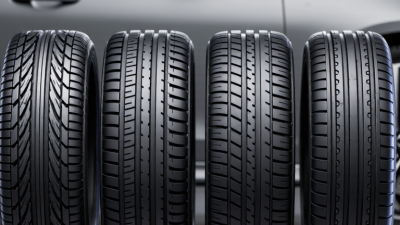
Online research creates practical advantages. Buyers can compare tread patterns, load indexes, speed ratings, sizes, and production dates before requesting a quotation. A fleet manager in Kenya, for example, can review 315/80R22.5 truck tires from several suppliers. He can then check shipping terms, warranty language, and product photographs. That level of detail is difficult to achieve through one local contact.
Still, online purchasing is not automatically safer. The U.S. Tire Manufacturers Association’s 2024 Factbook emphasizes the importance of correct fitment, maintenance, and responsible tire selection. Buyers should verify sidewall markings, certificates, customs documents, and supplier identity. Regional standards may include UNECE, DOT, or other applicable requirements. Documentation matters.
Data can lag reality. Prices change quickly. Freight costs can also reverse a seemingly attractive deal. Some listings provide incomplete images or vague manufacturing dates. Therefore, global buyers should treat online platforms as research tools, not unquestioned guarantees. A reliable supplier should answer technical questions clearly and provide traceable records. The smartest way to find tires combines digital comparison with professional verification, careful communication, and a realistic understanding of local road conditions. That balance is not perfect, but it is more dependable.
What Online Tire Buying Means for Global Buyers
Why Find Tires Online for Global Buyers?
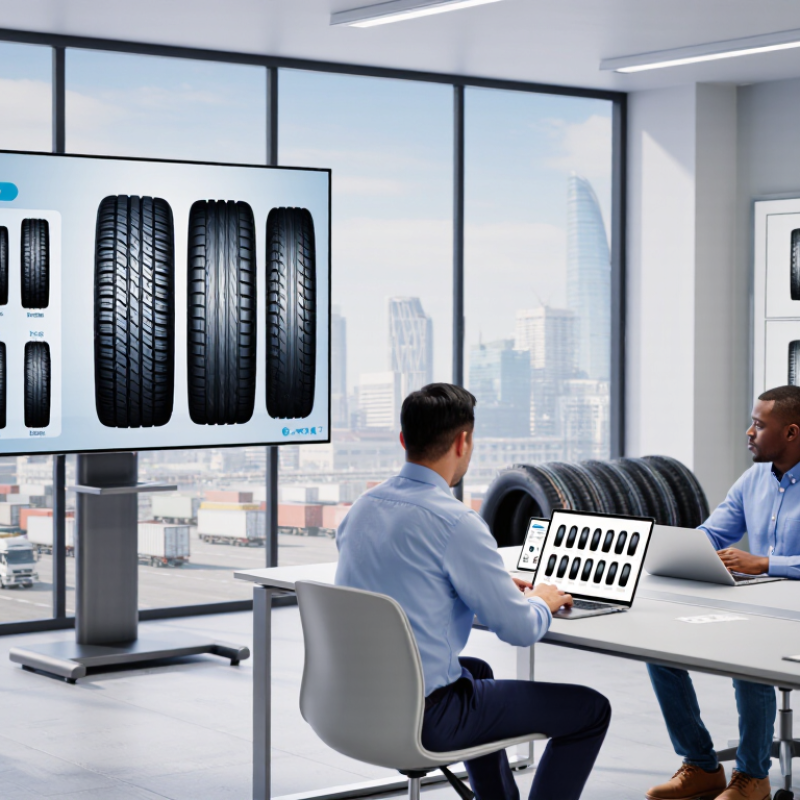
For global buyers, online tire buying means more than comparing prices. It creates a clearer way to review specifications before making a cross-border purchase. Buyers can check tire size, load index, speed rating, season type, tread pattern, and production date from home. A reliable seller should provide clear photographs, technical documents, warranty terms, and shipping details. These records support informed decisions and reduce misunderstandings across languages and time zones.
The process still requires careful judgment. A tire suited to a warm coastal road may perform differently on icy mountain routes. Local vehicle rules, road conditions, certification requirements, and import procedures also matter. Online listings can be incomplete. That is worth remembering. Ask for the manufacturing date, storage conditions, available quantity, and return process before payment. Compare the tire data with the vehicle handbook, not only with the seller’s description. Professional support should explain limitations honestly, including delivery delays or unavailable sizes.
Tips:
Measure twice. Check the full specification. Confirm local requirements. Request written answers. Inspect the package for damage when it arrives. Keep invoices and product records. A low price may look attractive, but an unsuitable tire can create extra costs, safety concerns, and wasted time. Careful online buying makes global sourcing more practical, but it should never replace responsible verification.
How to Compare Tire Types, Sizes, and Performance Standards
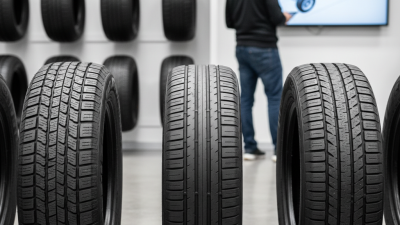
For global buyers, comparing tires begins with the size printed on the sidewall, not the lowest online price. In 225/55 R17 97W, “225” means width in millimeters, while “55” describes sidewall height as a percentage of width. The number 97 indicates a 730-kilogram load capacity per tire. “W” represents a speed category up to 270 km/h. Always match the vehicle placard and owner’s manual. A wider tire may improve dry-road grip, but it can increase noise, cost, and wet-road sensitivity.
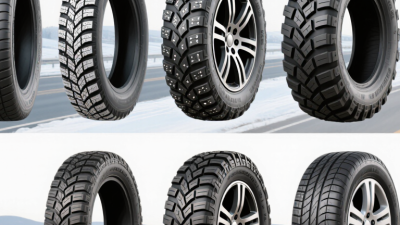
Tire type should match climate, road surface, and driving habits. Summer tires use compounds designed for warm pavement. Winter tires remain more flexible in freezing conditions. All-season designs offer compromise, not universal performance. The European Union tire label rates rolling resistance, wet grip, and external noise. Its wet-grip scale runs from A to E, and stopping differences can be meaningful. The European Commission’s tire-label framework also requires noise values in decibels, giving buyers a clearer comparison than marketing claims.
Performance standards still need careful reading. UNECE Regulation No. 117 covers areas including wet grip, rolling resistance, and exterior noise for approved tires. In the United States, UTQG markings help compare treadwear, traction, and temperature, but treadwear numbers are not perfectly transferable between manufacturers. The U.S. Department of Energy reports that correct inflation can improve fuel economy by up to 3%. Check pressure when tires are cold. Online charts are useful, but they can simplify real conditions too much; vehicle load, alignment, and driving style may change the result.
How to Verify Suppliers, Certifications, and Product Quality
Buying tires online can widen supplier access, but verification must go beyond attractive photos and low prices. NHTSA reports approximately 11,000 tire-related crashes in the United States each year. That figure makes supplier due diligence a safety task, not merely a purchasing task. Request the factory’s legal registration, production address, audit records, and recent test reports. Contact the certification issuer directly. A scanned certificate can be outdated, altered, or issued for another factory.
Check market-specific requirements carefully. UNECE Regulation No. 117 covers tire performance areas such as wet grip, rolling resistance, and external noise. Ask suppliers to provide the relevant approval number and confirm it through an official database. ISO 9001 supports process control, but it does not prove every tire is safe. The certificate scope matters. So does the issuing date. Smithers’ global tire market analysis projects demand to approach 2.7 billion units by 2028, increasing the need for consistent quality controls across international supply chains.
Tips: Order samples from the same production line used for bulk orders. Measure tread depth, load index, speed rating, bead finish, and sidewall markings. Request laboratory results for endurance, high-speed, and wet-grip performance. Compare serial codes with packing lists. Keep sealed samples for later inspection. Do not rely on one inspection. Independent pre-shipment testing is stronger, although not perfect. Suppliers may pass one batch and weaken another. That uncomfortable possibility deserves attention.
How to Evaluate Pricing, Shipping, Customs, and Import Costs
Why Find Tires Online for Global Buyers?
Online tire sourcing can reveal wider price choices, but the displayed price is rarely the final cost. Build a landed-cost sheet before ordering: tire price, inland pickup, ocean or air freight, insurance, duty, VAT, brokerage, port handling, and storage. A low quote may become expensive after arrival.
The World Bank’s Logistics Performance Index 2023 compares customs, infrastructure, shipment tracking, and delivery reliability across 139 economies. These differences matter. A port with slower clearance can add storage fees while tires wait in a sealed container. UNCTAD reports that maritime shipping carries over 80% of global merchandise trade by volume, so ocean freight often suits large tire orders. Yet schedules can shift. I would request two freight quotes, not one.
Check the tire’s HS classification with a licensed customs broker. New pneumatic tires generally fall under HS heading 4011, but the complete code depends on construction, vehicle use, size, and destination rules. Import duty may also depend on origin and trade agreements. Ask for a written estimate.
Keep the paperwork precise. A commercial invoice should show quantity, unit value, currency, origin, and product description. Packing details should match the shipment exactly. One overlooked fee can erase the online saving. I still add a contingency buffer, usually 5–10%, because exchange rates and port charges are not perfectly predictable. Mistakes happen. The calculation should be checked before payment.