How to Find the Right Tires in 2026?

Choosing the right tires in 2026 involves more than comparing prices or reading a single star rating. Drivers must match tire type, size, load capacity, speed rating, and seasonal performance with their real driving conditions. A quiet touring tire may suit a daily commuter, while a durable all-terrain model may better serve someone traveling on gravel roads. Understanding these differences can help you find tires that support safety, comfort, and predictable handling.

Start with the information printed on your current sidewall and vehicle placard. Tire width, aspect ratio, wheel diameter, and load requirements must align with the manufacturer’s specifications. Weather also matters. In regions with heavy rain, wet braking tests and tread design deserve close attention. In colder areas, certified winter tires may provide stronger grip than all-season models. Independent testing, professional fitting advice, warranty terms, and verified customer feedback can reveal details that advertisements often miss.

Real-world experience still matters. A tire that performs well in a controlled test may feel different on rough pavement, steep roads, or long highway trips. Check manufacturing dates, inspect tread patterns, and ask a qualified technician about alignment and inflation. Small pressure errors can affect wear and fuel use. Do not ignore them.

There is no perfect tire for every driver. Budget limits, driving habits, and changing weather complicate the decision. I may overlook a local road condition or unusual vehicle load. That is why careful comparison, regular inspections, and honest reassessment remain essential when you find tires for 2026.
How to Find the Right Tires in 2026?

Tire Basics: Types, Sizes, Ratings, and Essential Terms

How to Find the Right Tires in 2026?

Tire Basics: Types, Sizes, Ratings, and Essential Terms

When choosing tires in 2026, start with the vehicle placard and owner’s manual. They show approved sizes, inflation pressure, and load requirements. A size such as 225/55R17 97V contains useful information. Here, 225 is the width in millimeters, while 55 is the sidewall height ratio. R means radial construction, and 17 indicates the wheel diameter. The number 97 is the load index. V is the speed rating. Never select a lower rating without professional advice. Not every larger tire fits safely.

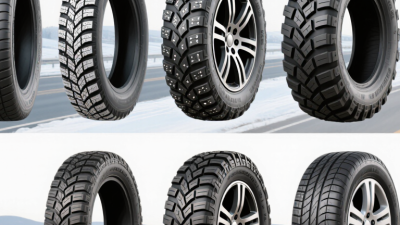
Tire type should match your climate and driving habits. All-season tires suit moderate weather and daily commuting. Summer tires offer strong warm-weather grip but perform poorly in freezing conditions. Winter tires use softer rubber and deeper patterns for cold roads, snow, and ice. All-terrain tires may help on gravel, but they can create more noise and reduce fuel efficiency. I once chose an aggressive tread for occasional dirt roads. It looked capable, but the ride became tiring. I was wrong about what I needed. Road use matters more than appearance.

Beyond size, check the load range, speed rating, and construction markings. An XL marking usually indicates extra load capacity, but it does not automatically improve handling. Treadwear, traction, and temperature grades provide comparison clues, not guaranteed mileage. Inspect the production date, sidewall damage, uneven wear, and tread depth before buying. A qualified tire technician can confirm compatibility, balancing, and alignment. Ask questions. Small details can change safety.

Assess Your Vehicle, Driving Habits, Climate, and Road Conditions

How to Find the Right Tires in 2026?

Start with your vehicle, not a tire advertisement. Check the owner’s manual and the door-frame label for size, load capacity, speed rating, and recommended pressure. A larger tire may look attractive, but it can change handling, braking, and fuel use. Inspect your current tires, too. Uneven wear often points to poor alignment, worn suspension parts, or incorrect inflation. Those problems should be addressed before buying replacements.

Your driving habits matter just as much. A daily city driver needs predictable braking and durable sidewalls for curbs and potholes. Highway commuters may value stability, low noise, and wet-road control. Drivers who carry heavy loads or tow equipment need suitable load capacity. Frequent short trips can create different wear patterns than long journeys. Think about your real routine.

Climate and road conditions complete the picture. Rainy regions demand dependable wet traction, while snowy areas require tires designed for low temperatures and packed snow. Hot pavement can increase pressure and accelerate wear. Gravel roads may punish delicate sidewalls. I once focused too heavily on tread life and underestimated wet braking. That was a useful correction. No tire excels everywhere. Review verified test data, follow local seasonal requirements, and ask a qualified technician to inspect fitment before installation. Check pressure monthly, especially after sharp temperature changes. Small errors matter.

How to Find the Right Tires in 2026? - Assess Your Vehicle, Driving Habits, Climate, and Road Conditions

Assessment Dimension Vehicle or Driving Profile Recommended Tire Category Key Specifications to Check Why It Fits
Vehicle Type Small car, compact sedan, or hatchback used mainly for commuting Standard all-season touring tire Original size, load index at least equal to the vehicle requirement, and the correct speed rating Balances wet grip, comfort, rolling resistance, and normal-road durability.
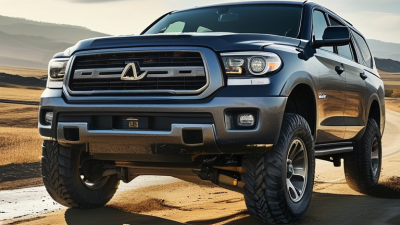
Vehicle Type SUV, crossover, or pickup used on paved roads with occasional gravel travel Highway all-season or mild all-terrain tire Suitable load range, reinforced construction when required, and an appropriate tread pattern Provides stable handling on pavement while offering additional traction on light gravel.
Vehicle Type Performance-oriented car with frequent high-speed road use Performance summer or performance all-season tire Speed rating meeting or exceeding the vehicle specification and strong dry/wet handling ratings Designed for responsive steering and heat management, but may provide less winter traction.
Driving Habits Mostly city driving with frequent stops and low to moderate speeds Comfort-focused touring tire Wet-braking performance, ride comfort, tread-life warranty information, and low rolling resistance Supports quiet rides, predictable braking, and efficient everyday operation.
Driving Habits Long highway commutes or frequent road trips Grand-touring all-season tire Highway stability, wet grip, noise level, expected mileage, and correct load capacity Prioritizes stable handling, comfort, and dependable performance over extended distances.
Driving Habits Frequent towing, carrying heavy cargo, or operating a loaded utility vehicle Heavy-load highway or all-terrain tire Load index or load range appropriate for the maximum axle and vehicle loads Provides the structural capacity needed for heavier loads; tire pressure must follow the vehicle or tire-load guidance.
Climate Warm climate with mild winters and rare snow or ice All-season tire Wet braking, heat resistance, tread depth, and the required speed rating Suitable for changing rain and dry conditions when severe winter traction is not regularly needed.
Climate Regular temperatures below approximately 7°C, with snow, slush, or ice Winter tire with the severe-snow service symbol where applicable Cold-weather rubber compound, dense siping, and legal winter-marking requirements The tread compound remains more flexible in cold conditions and improves traction on snow and ice.
Climate Hot climate with high pavement temperatures and heavy seasonal rain Heat-resistant touring or summer tire Wet evacuation channels, heat resistance, and correct inflation pressure Helps maintain wet-road control and casing durability in hot operating conditions.
Road Conditions Smooth paved roads with occasional rain Touring tire with an asymmetric or directional wet-weather tread Wet-grip rating, drainage grooves, balanced tread wear, and road-noise performance Improves water evacuation while maintaining comfort and highway stability.
Road Conditions Rough roads, potholes, construction zones, or frequent unpaved surfaces Durable all-terrain or reinforced all-season tire Sidewall protection, suitable load capacity, and a higher resistance to impact damage Offers greater casing protection, although it may increase road noise and rolling resistance.
Road Conditions Deep snow, packed snow, freezing rain, and frequent icy roads Dedicated winter tire; studs only where permitted and necessary Winter certification, flexible cold-weather compound, deep grooves, and local legal requirements Maximizes cold-weather traction; winter tires should generally be installed as a complete set.
Fitment and Safety Any vehicle requiring replacement tires Tire matching the vehicle manufacturer’s approved fitment Size, load index, speed rating, rim diameter, clearance, and pressure specification Correct fitment helps preserve braking, steering, suspension clearance, and electronic safety-system behavior.
Maintenance Drivers seeking longer service life and consistent performance Any correctly fitted tire with a suitable maintenance plan Check pressure monthly and before long trips; inspect tread, damage, age, and uneven wear; rotate as recommended Correct inflation and regular inspection improve safety, handling, fuel efficiency, and tread life.
Selection rule: Always confirm the vehicle’s approved tire size, load index, speed rating, and cold inflation pressure in the owner’s manual or on the vehicle information placard. Do not mix winter and non-winter tires on the same axle.

Compare Tread Patterns, Performance Features, and Tire Materials

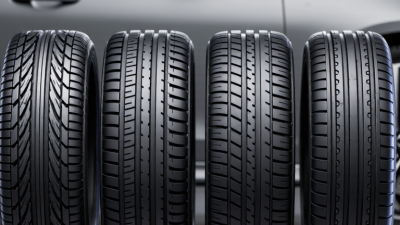
Choosing the right tires in 2026 requires comparing tread patterns, not just reading size numbers. Symmetric patterns usually provide quiet, predictable handling for daily driving. Directional patterns channel water efficiently, especially during heavy rain. Asymmetric designs combine dry-road cornering with wet-weather grooves. The compromise remains.

The European Commission’s tire-label guidance reports that wet-grip ratings can create up to an 18-metre braking difference between the highest and lowest classes. That figure makes wet performance worth serious attention. However, a high rating does not guarantee the best choice for every vehicle. Check the required load index, speed rating, seasonal temperature range, and road conditions. I would not chase the highest rating blindly.

Tire materials also influence performance. Silica-enhanced compounds can reduce rolling resistance while maintaining wet grip, though the balance is never perfect. Steel belts improve stability, while textile cords support comfort and impact resistance. The U.S. Department of Energy states that properly inflated tires can improve fuel economy by up to 3%. Check pressure when tires are cold. The number printed on the sidewall is not the vehicle’s recommended pressure.

Practical inspection still matters. The National Highway Traffic Safety Administration identifies 2/32 inch as a critical tread-depth threshold for replacement consideration. The U.S. Tire Manufacturers Association advises professional inspections after five years of service. Look for uneven wear, cracks, bulges, and exposed cords. Small flaws can become expensive surprises.

Check Safety Standards, Compatibility, Warranty, and Total Cost

How to Find the Right Tires in 2026?

A tire can look new and still be wrong for your vehicle. Check the vehicle manual, door-jamb label, and local safety requirements before shopping. Confirm the tire size, load rating, speed rating, and rim diameter. These details must match your vehicle’s approved specifications. Look for clear certification markings required in your region. Also inspect the manufacturing date, because rubber changes with age, even before use. Ask a qualified tire technician to verify fitment, especially after changing wheel sizes.

Warranty terms deserve careful reading. Check coverage length, mileage limits, adjustment procedures, and exclusions for punctures, uneven wear, or poor maintenance. Keep installation records and inspection receipts. They may support a legitimate claim later. I once focused too much on the sale price. That was a mistake. The tires needed extra balancing, and the final bill increased. Small costs matter. Compare fitting, valve replacement, balancing, disposal, storage, and possible fuel-use changes. A cheaper tire may cost more over time if it wears quickly or performs poorly in wet conditions.

Consider your real driving routine. Frequent rain, rough roads, heavy loads, and long highway trips require different priorities. Read independent test results, but question unusually broad claims. No review replaces professional inspection. I still find total-cost estimates imperfect because driving habits vary. Leave room for that uncertainty.

How to Find the Right Tires in 2026?

Check safety standards, vehicle compatibility, warranty terms, and total ownership cost before you buy.

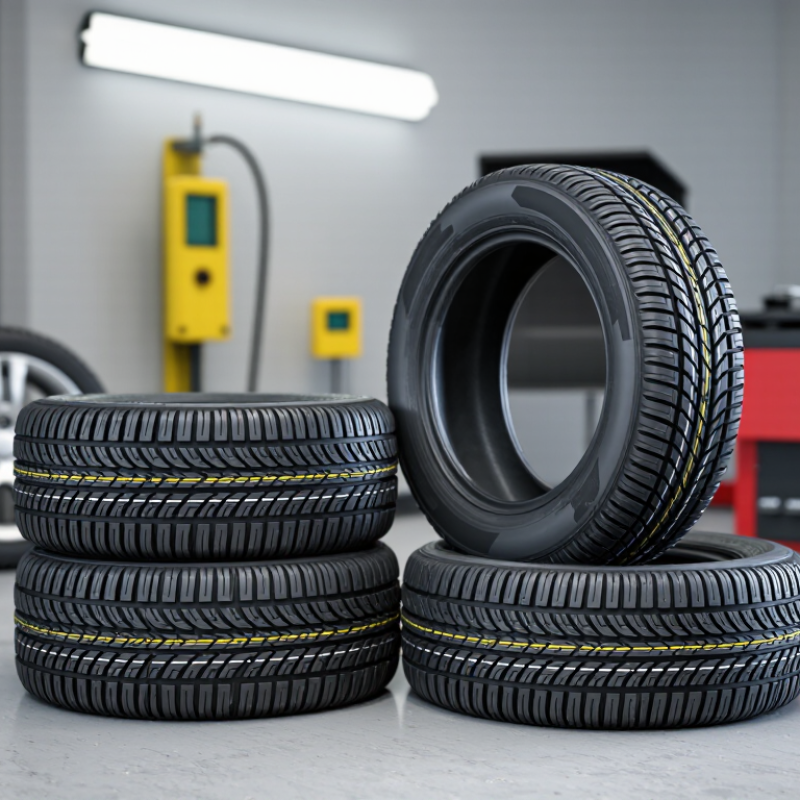
General passenger-tire reference values: new tread is commonly about 7–9 mm, 3 mm is often used as a wet-weather replacement caution point, and 1.6 mm is the legal minimum in many European markets and the level commonly associated with tread-wear indicators. Local regulations and tire specifications may differ.

Safety Standards

Check tread depth, wet-grip information, correct inflation pressure, production date, and the safety requirements in your country.

Compatibility

Match the vehicle placard or owner’s manual for tire size, load index, speed rating, construction, and seasonal requirements.

Warranty

Review coverage duration, mileage limits, workmanship terms, exclusions, proof-of-purchase rules, and any road-hazard conditions.

Total Cost

Compare the purchase price plus mounting, balancing, taxes, disposal, rotation, fuel impact, and expected service life.

Choose, Purchase, Install, and Maintain the Right Tires in 2026

How to Find the Right Tires in 2026?

Choosing tires starts with your vehicle’s door placard and owner’s manual. Check size, load rating, speed rating, and recommended pressure. These details matter more than attractive tread patterns. Consider your climate, road surfaces, driving distance, and winter conditions. A quiet touring tire may suit commuting, while a stronger design may better support heavy loads. Check the production date, warranty terms, wet-braking data, and independent test results before purchasing. Fresh stock is preferable. I once focused too much on price and ignored road noise, which became annoying during long trips.

Tips: Buy matching tires on the same axle. Ask a qualified installer to inspect wheels, valves, and suspension parts. Confirm the final price includes balancing, disposal, and installation.

During installation, request computerized balancing and verify that lug nuts receive the manufacturer’s specified torque. An alignment check is sensible if the steering wheel sits crooked or the vehicle pulls. Afterward, drive slowly around the block and listen for vibration. Small warning signs should not be ignored.

Maintain pressure when tires are cold, ideally once a month and before long journeys. Inspect tread for uneven wear, cuts, bulges, or trapped stones. Rotate tires according to the vehicle manual, not a random schedule. Tire pressure systems can help, but they do not replace visual checks. Remember, tire care is not perfect science; driving habits, temperature, and cargo can change wear quickly. Keep notes. Five minutes can reveal a costly problem.