2026 Best Tire Types Where to Get Tires Globally?
Choosing where to get tires in 2026 requires more than comparing prices online. Drivers must match tire type, climate, vehicle weight, road surface, and driving habits. A winter tire in Manila makes little sense. A summer tire in northern Sweden can become dangerously inflexible.
Industry data supports this practical approach. The U.S. Tire Manufacturers Association reports that replacement tires remain a major, recurring automotive purchase, with hundreds of millions sold annually in the United States. Meanwhile, the European Tyre and Rim Technical Organisation continues to emphasize correct load, speed, pressure, and dimensional standards across European markets. Global market research from Grand View Research also identifies replacement demand, vehicle growth, and e-commerce as major forces shaping tire distribution.
“Consumers are increasingly focused on value, not simply the lowest price,” says tire-industry analyst John Healy of Northcoast Research. That distinction matters. A cheaper tire may have a shorter tread life, weaker wet braking, or limited warranty support. The real cost appears later, often during heavy rain on a crowded highway.
The best place to get tires depends on service quality as much as inventory. Authorized dealers can provide fitting, balancing, alignment checks, and region-appropriate recommendations. Online retailers may offer broader selection and transparent prices, but installation must be arranged carefully. Check the tire’s date code, certification marks, warranty terms, and independent test results.
There is no universal “best” tire. That answer is imperfect. Even experienced buyers can overvalue brand reputation and overlook road conditions. This guide compares tire types and trusted purchasing channels worldwide, helping drivers make safer, more informed decisions in 2026.

Understanding Tire Types and Their Main Performance Differences
Understanding Tire Types and Their Main Performance Differences
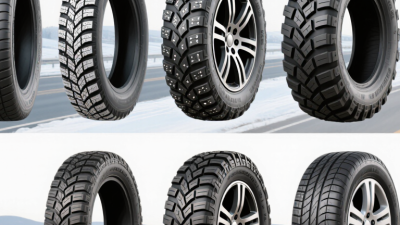
Choosing a tire begins with climate, road surface, and driving habits. All-season tires offer balanced handling in mild temperatures. They suit mixed city and highway use. Summer tires provide stronger dry grip and sharper steering. Their rubber compounds harden in cold weather. Winter tires remain flexible below 7°C and use deeper grooves for snow traction. They are not simply “more aggressive” tires.
The 2024 ETRTO Standards Manual links tire performance to compound design, tread geometry, load, and speed ratings. The European Union Tyre Label also compares wet grip, rolling resistance, and external noise. Wet-grip ratings range from A to E. A small rating difference can matter during sudden braking. Yet laboratory results are not the whole driving experience. Worn suspension and incorrect pressure can change handling noticeably.
All-terrain tires use stronger casings and open tread blocks for gravel, mud, and uneven roads. This design often increases road noise and may reduce fuel efficiency. Touring tires usually favor quietness, stability, and long tread life. Electric vehicles add another concern: heavier vehicle weight and instant torque can accelerate wear. A 2024 U.S. Tire Manufacturers Association market report recorded more than 330 million replacement tires sold in the United States during 2023. That scale shows how varied tire needs have become. I still find “one tire for every driver” claims unconvincing. Check the vehicle manual, tire label, climate, and actual road conditions before buying.
Matching Tire Features to Vehicle, Climate, and Driving Conditions
Choosing the best tire starts with the vehicle, not the advertisement. Check the owner’s manual for size, load index, speed rating, and recommended pressure. The U.S. Department of Energy reports that correctly inflated tires can improve fuel economy by about 0.6% on average, and up to 3% in some cases. Small pressure errors matter.
Climate changes the decision. Summer tires can provide stronger dry-road grip in warm regions, while winter tires remain flexible in temperatures below 7°C. The Tire and Rubber Association notes that winter compounds and tread designs improve traction on snow and ice. All-season tires suit moderate climates, but they may compromise in severe winter or extreme heat. That compromise is easy to overlook.
Driving conditions matter just as much. Touring tires fit long highway trips and quiet city driving. All-terrain tires help on gravel, mud, and uneven roads, but often create more noise and rolling resistance. The European Tyre and Rim Technical Organisation emphasizes that wet-grip labels and rolling-resistance ratings support safer, more efficient choices. Compare these ratings at a certified local dealer or a reputable online supplier, then verify installation and balancing.
My practical mistake was treating tread depth as the whole answer. It is not. Age, pressure, axle matching, and seasonal storage also affect performance. NHTSA advises regular inspections for cracks, bulges, uneven wear, and low pressure. A tire can look healthy beside a garage and behave poorly on a cold, flooded road.
Comparing Global Tire Brands, Standards, and Quality Factors
Choosing tires globally requires more than comparing prices or tread patterns. Regional standards may differ in testing, labeling, load ratings, and winter performance. A tire approved for one market may still need careful checking elsewhere. Look for clear certification marks, production dates, size codes, load indexes, and speed ratings.
Quality depends on the vehicle, road surface, climate, and driving habits. In hot regions, heat resistance and sidewall durability deserve attention. Wet areas require dependable braking and water evacuation. Snowy roads demand verified cold-weather performance, not simply an attractive mountain symbol. Tire retailers, vehicle service centers, and established online distributors can provide broader options. Confirm storage conditions and return policies before paying.
Independent testing helps, but results rarely match every driver’s experience. I compare measured braking, noise, wear, and fuel efficiency with local road reports. No checklist is perfect. A tire that performs quietly on smooth highways may feel harsh on broken city streets. I also inspect uneven wear after installation, because alignment problems can damage a good tire quickly. Some advice remains uncertain, especially when testing data is limited across climates. That uncertainty should be stated clearly, not hidden behind confident marketing language.
Where to Buy Tires: Dealers, Online Stores, and Local Retailers
Buying tires globally starts with fitment, not the lowest price.
A dealer offers trained inspection, mounting, balancing, and warranty handling in one visit. Local retailers add another advantage: they can spot uneven wear, bent rims, or aging rubber. The U.S. Tire Manufacturers Association’s 2024 Factbook recorded about 334 million tire shipments in 2023. That volume includes replacement and original-equipment demand, so product choice varies widely.
Online stores usually provide broader inventory and clearer price comparisons. Grand View Research’s 2024 global online tire market report forecasts continued growth, supported by digital vehicle searches and home delivery. Yet listings may hide installation fees, disposal charges, delivery delays, or incorrect load ratings.
A tire arriving tomorrow is useless if fitting waits two weeks. I have made that mistake. Convenience can distract from service quality.
Tips:
Compare the complete installed price. Confirm size, load index, speed rating, production date, return rules, and roadside support. Ask the retailer to measure tread depth and alignment before purchase. For unusual vehicles, dealer advice may beat a discount. For common sizes, an online order sent to a trusted local installer can work well. Keep the invoice and inspection notes. Small records help when warranty questions appear.
How to Choose, Purchase, Install, and Maintain Tires Worldwide
Choosing the best tire type in 2026 starts with your actual roads, climate, and vehicle load. Touring tires suit everyday driving on paved roads. All-terrain tires help on gravel, mud, and uneven surfaces. Winter tires need flexible rubber for freezing temperatures. All-season designs may work in moderate climates, but they are not universal. Check the vehicle manual, tire size, load rating, speed rating, and local seasonal rules before buying.
Purchase tires from a qualified local retailer or a verified online seller. Ask for manufacturing dates, storage conditions, warranty terms, and return policies. A tire can look new while aging in poor storage. Compare the complete cost, including delivery, fitting, balancing, valves, and disposal fees. Online photos are not enough. Confirm measurements carefully. One overlooked number can create an expensive mistake.
Installation requires correct wheel direction, lug torque, balancing, and pressure sensor checks. Never rely only on the pressure printed on the tire sidewall. Use the vehicle’s recommended pressure, measured when tires are cold. Inspect tread depth, cracks, bulges, and uneven wear every month. Rotate tires only when the vehicle and tread pattern allow it. Reduce speed on damaged roads and stop after unusual vibration appears. A useful admission: no checklist catches every problem, so recheck the work after the first short drive.